


An Everyday Hero
What makes a person optimistic or pessimistic? ( I have a mental image of Winnie-the-Pooh who tends to move through life with gentle optimism, appreciating simple joys like friendship, kindness, and honey.
Meanwhile, Eeyore often represents pessimism, expecting things to go wrong and seeing life through a heavier lens. )
Over the years, I have been mesmerized by the stories people have shared with me. I have heard incredible triumphs and heartbreaking tragedies. Yet through all of it, one thing continues to stand out to me: the resilience of the human spirit.
Recently, I decided to revisit one of my favourite books and teachings from Robin Sharma — The Everyday Hero Manifesto.
I first read it as an eBook, but because it was so rich in wisdom and insight, I later purchased the hardcover version. Some books entertain us for a season; others become working textbooks for life.
There are not many people whose work I follow closely, but when I come across ideas powerful enough to truly change lives, I naturally begin asking myself: How can I share this with others?
So how does this apply to my work helping people enrich their lives, supporting elders with compassionate care, and helping families navigate Alzheimer’s and dementia?
I use the word “business” loosely because it has never truly felt like a business to me. I feel blessed to spend time with people who need support, guidance, or simply someone willing to listen. When someone becomes vulnerable enough to share their story with me, I often feel less like the teacher and more like the student.
Perhaps a better way to describe my work is this:
My job is to learn. To listen. To help solve problems once someone trusts me enough to share what they need.
Building genuine human-to-human connection is beautiful, messy, rewarding, loving, patient, and deeply meaningful.
Which brings me back to my opening question: what makes someone optimistic instead of pessimistic? Is it possible to help a person who may err on the side of pessimism to see the positive?
I do not have a perfect answer. I can only share what I have observed.
The people I meet who practice genuine gratitude and supreme positivity are the ones who choose to see the glass as half full, yes it is their conscious choice —they often weather life’s storms far better than others. They bounce back remarkably quickly. They tell jokes during difficult times. They embrace the messy parts of life, even when life is far from ideal. Pessimism, is also a choice. The reality is, we did not walk in a person’s shoes to know why this is their choice.
This leads me to the Everyday Hero Manifesto. Since we do not know what a person may be going through at any given moment, if we always lead with kindness it may be someone’s hope, or ray of sunshine when they need it the most.
Let me share more…
In The Everyday Hero Manifesto, Robin Sharma writes about heroes such as Nelson Mandela, Harriet Tubman, Mahatma Gandhi, Florence Nightingale, and Oskar Schindler — people whose courage changed history.
But he also reminds us that heroes are not only found in history books.
The teachers in classrooms.
The restaurant workers serving others with kindness.
The parents raising children at home.
The bakers, tradespeople, entrepreneurs, first responders, firefighters, caregivers, and aid workers.
Ordinary people doing honourable things with quiet dignity.
Many of these individuals carry heavy responsibilities, yet they continue to show up with compassion, strength, and often a smile on their face.
Like Robin Sharma says, “I am humbled when my life intersects with such human beings.”
I also feel especially grateful because many times I am hearing someone’s story for the very first time during the later seasons of their life — lives filled with love, heartbreak, wisdom, lessons, sacrifices, and unforgettable memories.
To me, an Everyday Hero is simply someone who chooses to make life a little better for others in whatever way they can.
Sometimes that looks like a grand act of courage during tragedy.
Other times, it is something much smaller:
A patient conversation.
A helping hand.
A smile during a difficult day.
A willingness to simply sit beside someone who feels alone.
Perhaps being an Everyday Hero is not about perfection at all.
Perhaps it is about showing up with kindness, humility, and heart — again and again — especially when life becomes difficult.
So maybe the better question is not “What makes a person optimistic or pessimistic?”
Maybe the better question is:
How can we all become better Everyday Heroes?
Danielle Pointon
Live Blue Consulting
PS- we cannot take care of others well if we do not practice good self care.
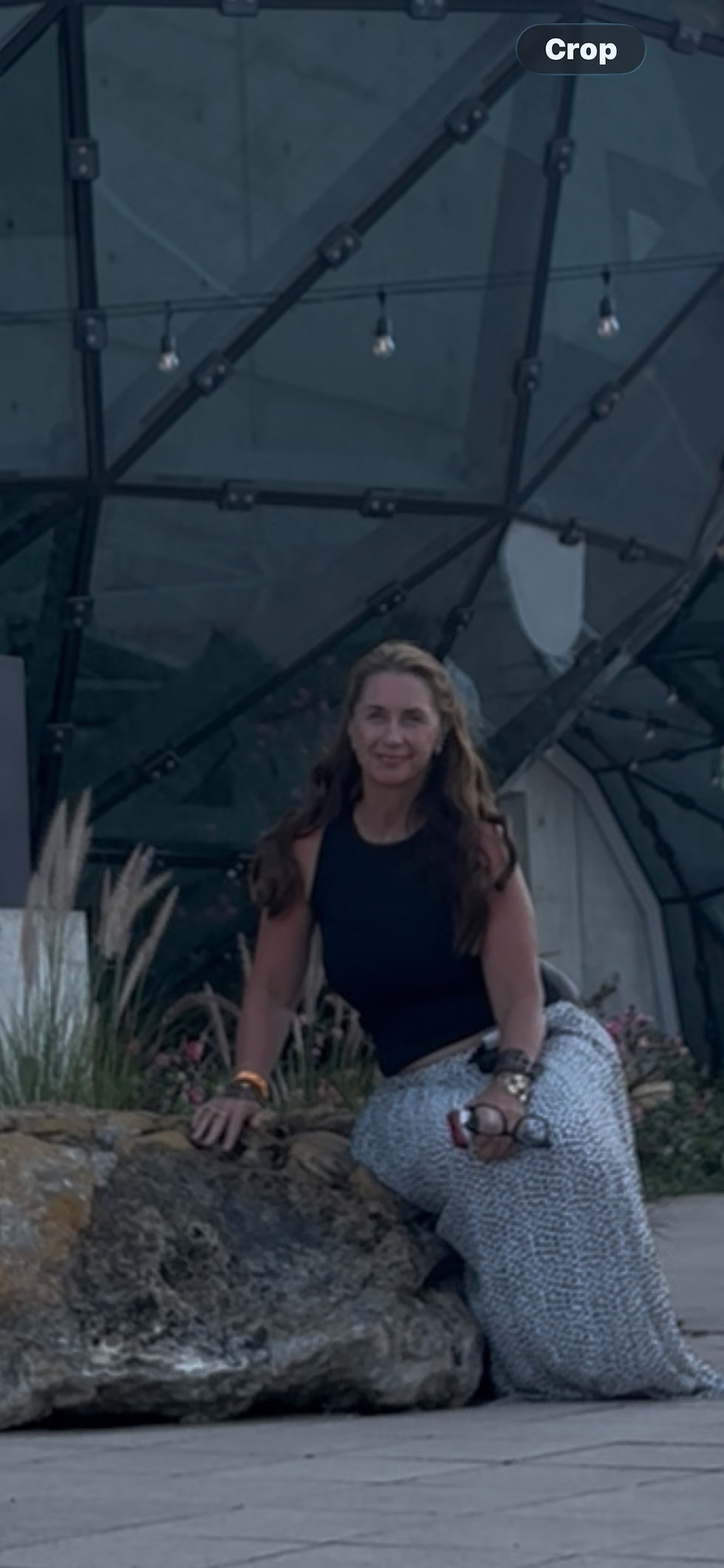
I recently did a family trip south, did some amazing boating with my father and got to see Salvador Dali’s work in person for the first time! It’s definitely something to see.




https://tacobet.com.mx/pt-br/ Entrei rapidinho só pra matar a curiosidade e ver como eles organizam as infos, porque sempre aparece alguém comentando dessas páginas. Achei a navegação bem tranquila, nada de ficar perdido em mil abas, dá pra ir direto no que você quer sem esforço. O que me chamou atenção foi um destaque tipo “slots mais buscados no Brasil”, então já dá pra sacar de cara o que tá em alta por aqui. Também reparei numa parte de promoções que aparece como confirmada, mas com vários campos ainda em aberto (tipo valor e validade), e isso pelo menos deixa bem visível o que já foi checado e o que ainda não foi nessa área de promoções.
https://qq88.studio/ vào có dễ dùng không nhỉ? Mình cũng tự hỏi vậy rồi bấm thử, tưởng sẽ kiểu rối rắm với nhiều thứ nhấp nháy, ai dè mở ra nhìn khá nhẹ mắt, liếc một vòng là biết nên bấm ở đâu mà không phải đoán mò. Mình không có thời gian đọc kỹ nội dung đâu, chỉ lướt qua xem cách họ bố trí trang cho đỡ mệt, và thấy mấy phần thông tin chia thành từng ô riêng nên nhìn nhanh vẫn bắt chữ được. Có cái hay là thanh menu để khá nổi, chuyển qua lại ổn, khỏi phải quay lại trang trước liên tục. Nói chung lướt vài phút thấy thoải mái, nhất là phần điều…
fly 88 ừ thì mình cũng kiểu đang xem dở mấy trang khác nên ghé qua thử, thấy không bị rối mắt ngay, nhìn là biết chỗ nào để bấm tiếp chứ không phải đoán. Mình kéo lên xuống một vòng, chủ yếu để coi cách họ sắp chữ và chia nội dung thôi, và công nhận mấy khối thông tin đặt tách bạch nên đọc nhanh, không bị dính thành một mớ; mấy bảng dạng cột canh khá thẳng nên liếc cái là hiểu dòng nào với dòng nào. Trên điện thoại cuộn cũng ổn. Menu để ngay chỗ dễ thấy nên chuyển qua lại đỡ mất công. Nói chung ngồi nghịch vài phút là quen, nhất là phần…
rr88 có đáng để mở ra xem thử không? Mình cũng hơi nghi ngại vì thấy nhắc nhiều quá, kiểu sợ vào sẽ rối mắt hoặc phải mò mẫm, nhưng lướt qua vài phút thì lại thấy mọi thứ sắp xếp khá “vừa đủ”, các khối nội dung tách bạch nên đọc không bị trôi, kéo xuống vẫn nắm được mình đang ở phần nào và không bị nhảy loạn lên. Mình không ngồi đọc kỹ hay làm gì phức tạp đâu. Chỉ test nhanh mấy chỗ thao tác thôi. Cảm giác bấm chuyển mục khá trơn. Đỡ phải quay đi quay lại nhiều lần. Với mình điểm ổn là họ để phần thông tin về nguồn gốc pháp lý…
Stratea AI showed up in my feed when people were talking about getting a real business plan out of an idea, so I clicked mostly out of curiosity. I didn’t generate a full plan, just skimmed the page and how they frame the whole “generic AI chat” problem. It was kinda nice seeing them call out that endless prompting loop where you still end up piecing together the market, pricing, and execution stuff on your own. The page itself is easy on the eyes too—more like quick, scannable chunks than a giant essay. I also noticed the flow is pretty straightforward, like it guides you from the problem to the solution without making you hunt around. The comparison-style bits are…